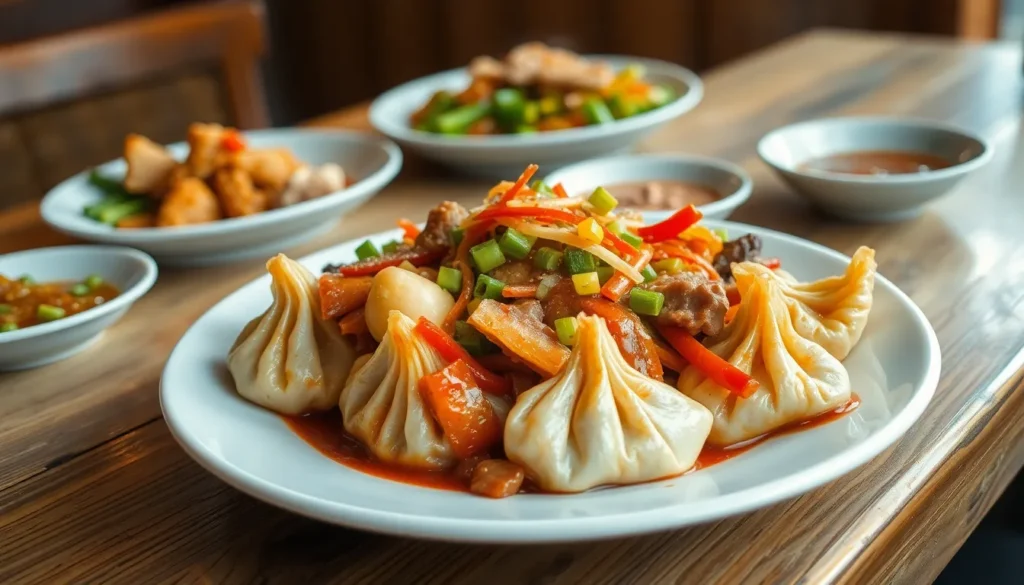
Bikimsum might be the life of the party but when it comes to digestion, it’s more like that one friend who overstays their welcome. Ever wondered why this delightful dish takes its sweet time to leave the party in your stomach? It’s not just because it’s having a good time; it’s all about the ingredients and how they play together.
Understanding Bikimsum
Bikimsum features ingredients that significantly impact its digestion. Common elements include dense starches and complex proteins, which take longer to break down. Starches from ingredients such as rice and flour provide energy but require more digestive effort. Proteins found in meat or seafood also contribute to this challenge, as they break down slowly during digestion.
High fat content contributes to the dish’s slow digestion. Fats, while essential for flavor, take time to emulsify and absorb. The presence of heavy sauces can further impede quick digestion.
Cooking methods also play a role. Steaming, prevalent in preparing Bikimsum, preserves nutrients but can create denser textures. These textures often require more time in the stomach for effective breakdown.
Fermentation may affect digestion time. Ingredients like fermented vegetables add unique flavors but also create complex sugars that require longer enzymatic action for processing. Therefore, individuals with sensitive digestion may find this dish particularly challenging.
The body’s role in digestion also matters. Gastric emptying rates vary from person to person, depending on individual metabolism and gastrointestinal health. Individuals with slower digestive systems will notice prolonged retention of Bikimsum in the stomach.
Bikimsum’s enjoyable flavors come with a price; its combination of ingredients demands patience. Recognizing these factors helps in understanding why the dish takes longer to digest than simpler meals.
Components of Bikimsum
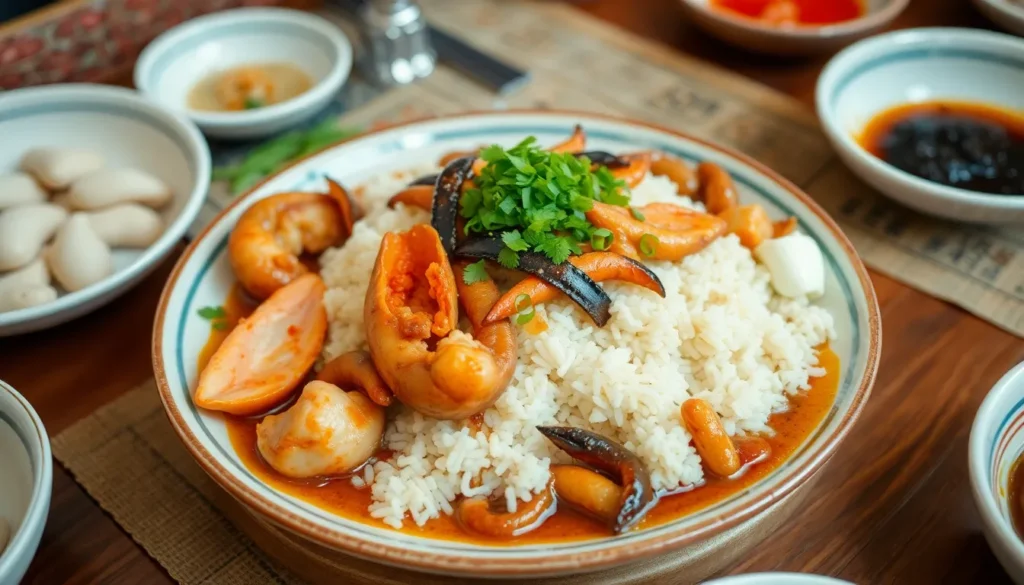
Bikimsum consists of various components that influence its digestion process. The nutritional profile plays a significant role, as the dish typically includes dense starches, proteins, and fats.
Nutritional Profile
Bikimsum’s nutritional profile features complex carbohydrates, high protein content, and considerable fat. Complex carbohydrates from rice or flour contribute to its density, requiring extensive enzymatic action for breakdown. Protein sources, such as meat and seafood, provide essential amino acids but increase digestion time due to their complexity. Fats further add to the challenge, since they emulsify slowly in the digestive system. Fiber, often overlooked, might also be present depending on the ingredients used. Together, these components create a meal that demands patience during digestion.
Ingredients Contribution
Various ingredients in Bikimsum directly affect its digestibility. Starchy elements, particularly rice and flour, create a heavy base, leading to prolonged digestive time. Proteins from meats and seafood contribute to a denser composition, requiring more time for enzymatic processing. High-fat ingredients, along with rich sauces, slow down digestion because fats require prolonged emulsification. With additional components, such as fermented ingredients, complex sugars further complicate the digestion process. The interplay of these ingredients forms a dish that, while delightful, challenges the digestive system’s efficiency.
Digestion Process
Bikimsum’s digestion process involves multiple factors that contribute to its lengthy breakdown. Ingredients play a significant role, influencing how quickly the body can process the dish.
Break Down of Ingredients
Starches from rice and flour form a dense foundation for Bikimsum. Proteins sourced from meat and seafood complicate digestion, as they require more time for enzymatic breakdown. High-fat ingredients contribute additional challenges, since fats emulsify slowly, prolonging the digestive process. Heavy sauces and seasonings further add to this complexity, introducing rich components that demand extended time for proper digestion. Each ingredient interacts uniquely, resulting in a prolonged experience within the gastrointestinal tract.
Factors Affecting Digestion Time
Individual metabolism significantly affects digestion time. Variations in gastric motility impact how quickly food moves through the digestive system. Additionally, gastrointestinal health plays a crucial role; certain conditions can prolong digestion. Moreover, cooking methods, especially steaming, maintain ingredient density and ultimately slow digestion. Lastly, fermented components introduce complex sugars, necessitating longer enzymatic processing, thereby adding further time to the overall digestion of Bikimsum. Each element contributes to the whole, resulting in a notably extended digestion period.
Individual Variations
Individual responses to Bikimsum’s digestion can vary widely. Those with faster metabolisms often digest food more quickly than others. Genetic factors, such as enzyme production, play a significant role in metabolic rates. Individuals with high digestive enzyme levels may break down complex proteins and carbohydrates efficiently.
Metabolism Differences
Metabolism differences among individuals significantly impact digestion time. Some people possess higher metabolic rates, enabling quicker breakdown of foods. Enzyme activity levels also influence how rapidly nutrients absorb into the bloodstream. Additionally, age and gender can affect metabolic efficiency. Younger individuals usually exhibit faster digestion compared to older adults. These variations create a spectrum of digestion times, even when consuming the same Bikimsum meal.
Dietary Habits
Dietary habits contribute to how Bikimsum is digested. Regular consumption of fiber-rich foods can enhance overall digestive health. Those accustomed to a balanced diet may process heavier dishes with greater efficiency. Meal frequency also matters; individuals who eat smaller, more frequent meals may experience faster digestion. Furthermore, hydration levels impact digestion speed, as water aids enzyme activity. Together, these dietary factors shape personal digestion experiences with Bikimsum.
Bikimsum’s rich flavors come at the cost of extended digestion time. The unique combination of dense starches proteins and high-fat ingredients creates a complex dish that challenges the digestive system. Factors like cooking methods and individual metabolism further influence how long it takes to break down this beloved meal.
While enjoying Bikimsum, it’s important to be mindful of its slow digestion. Understanding these dynamics can enhance the dining experience and encourage a more patient approach to savoring each bite. With its delightful taste and nutritional richness, Bikimsum remains a cherished dish despite its lengthy digestion process.